A Trustworthy PCB and Electronic Manufacturing Enterprise! Contact Us


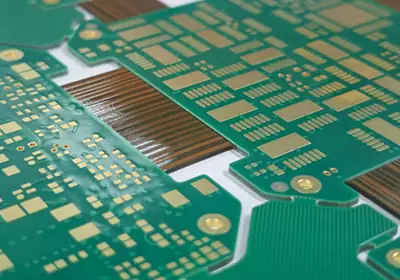
Drone PCBs serve not only as circuit carriers but also as the "brain" connecting multiple systems, including flight controllers, communication modules, video transmission systems, batteries, and motors. Unlike ordinary consumer electronics, drones operate under harsh conditions such as high-frequency vibrations, rapid acceleration, and complex climates. Consequently, standard PCBs struggle to meet flight safety and performance requirements. Drone PCBs must be lightweight and compact while also delivering excellent electromagnetic compatibility (EMC), high-temperature resistance, interference immunity, and high-frequency signal transmission capabilities to ensure stable operation of flight control, video transmission, GPS, and power systems.
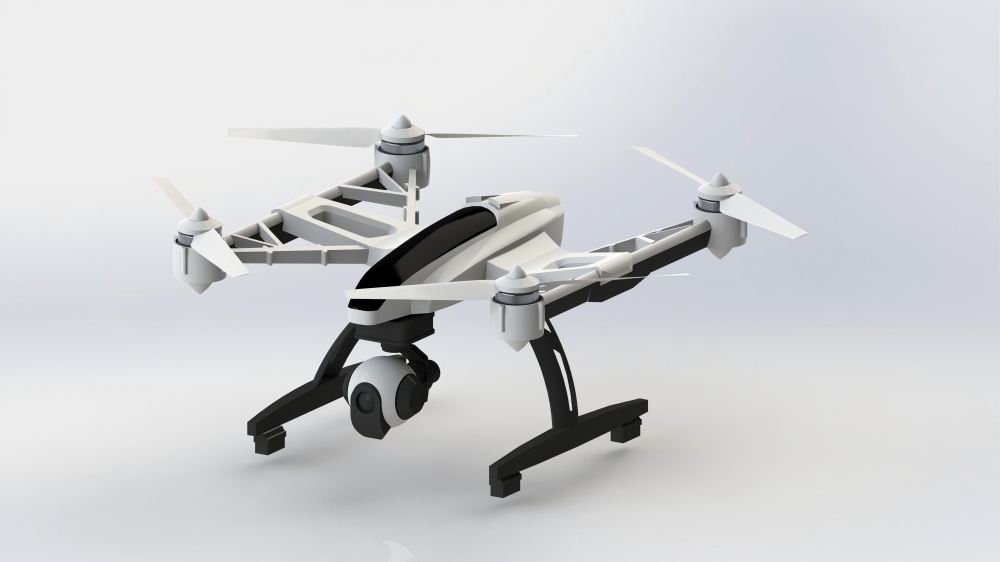
What is a Drone PCB?
A drone PCB board, or printed circuit board, serves as the platform connecting and supporting the internal electronic components of a drone. Unlike consumer electronics PCBs, drone circuit boards must withstand in-flight vibration, heat, and high-speed signal processing.
Key characteristics include:
1. Multi-system integration: Typically integrates flight control, power distribution, and sensor interfaces onto a single board.
2. Lightweight and compact: Given drones' extreme weight sensitivity, PCBs require meticulous design to maximize functionality with minimal material.
3. Superior Thermal Management: Often employs copper cladding, thermal vias, and high-thermal-conductivity materials to dissipate heat generated by motors and processors.
4. Strong Electromagnetic Compatibility (EMC): Optimizes layout and grounding to prevent electromagnetic interference from affecting GPS and remote control signals.
In essence, the drone PCB serves as the “intelligent skeleton” sustaining the entire system's operation, ultimately determining the aircraft's overall performance.
Key Components on a Drone PCB:
1. Flight Controller (FC): Receives sensor data, calculates control commands, and sends them to motors.
2. Electronic Speed Controller (ESC): Regulates brushless motor speed based on flight controller signals.
3. Gyroscope and Accelerometer: Detect drone orientation to maintain flight stability.
4. GPS Module: Enables navigation, precise hovering, and other functions.
5. Power Distribution Board (PDB): Distributes battery power to various systems.
6. Radio Control Receiver and Antenna: Receives pilot commands.
These modules are precisely soldered onto the PCB to ensure signal integrity and resistance to vibration.
Common PCB Types in Drones:
Depending on application scenarios, drones may utilize the following PCB types:
1. Rigid PCB: Used for flight controllers, ESCs, and GPS modules
2. Flexible PCB: Used in space-constrained areas requiring bending.
3. Rigid-Flex PCB: Combines structural strength with flexibility, suitable for video transmission modules.
4. HDI (High-Density Interconnect) PCB: Used for high-speed signals and compact integrated designs.
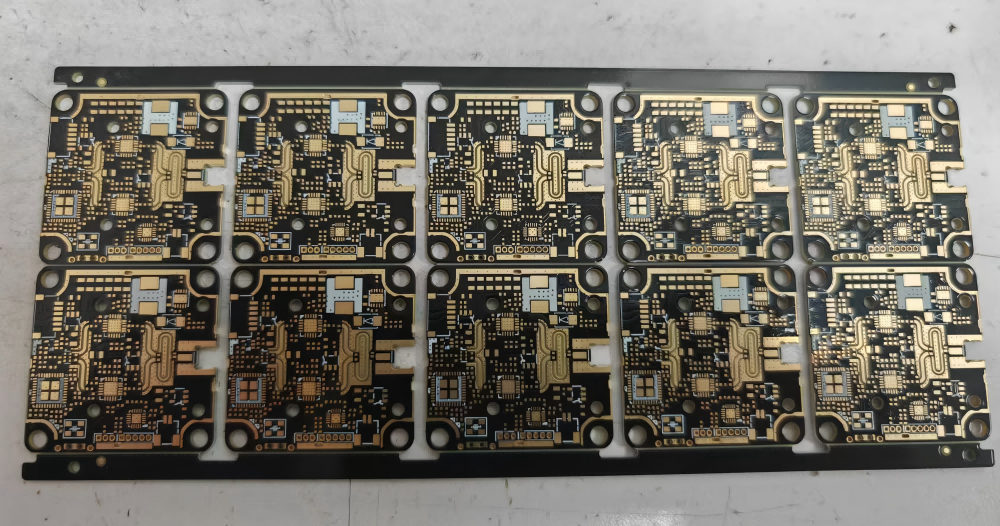
Typical Application Scenarios for Drone PCBs:
1. Consumer Drones: Such as aerial photography drones and racing drones, typically using double-sided or multilayer boards.
2. Agricultural and industrial drones: Used for spraying, inspection, surveying, etc., demanding higher PCB load capacity and thermal management.
3. Cinematography-grade aerial cameras: Require more complex power and gimbal control systems with high PCB integration.
4. Military drones: PCBs must feature anti-interference, waterproofing, high-temperature resistance, etc., adhering to extremely stringent design standards.
Common Materials for Drone PCBs:
1. FR4 (Flame-Retardant Epoxy Glass Fiber)
a. Most widely used material, offering high cost-effectiveness.
b. Suitable for entry-level and certain commercial drones.
2. Polyimide
a. Flexible material with excellent heat resistance.
b. Commonly used in rigid-flex boards, ideal for foldable or spatially complex structures.
c. Higher cost than FR4.
3. Aluminum Substrate
a. Excellent heat dissipation, commonly used in drones equipped with high-power LEDs or ESCs.
b. Slightly heavier, suitable for industrial or ground-operated drones.
4. Ceramic Substrate (e.g., Aluminum Nitride, Beryllium Oxide)
a. Strong thermal conductivity and high signal integrity.
b. Primarily used in military, surveying, and other drones with extremely demanding performance requirements.
How to Select the Right Drone PCB?
Key considerations include:
1. Requires extended flight time? Prioritize lightweight design.
2. Operates in high-temperature or vibration environments? Requires superior heat dissipation and impact resistance.
3. Needs flexible or foldable installation? Consider rigid-flex boards.
4. Involves high-frequency communication or GPS positioning? Optimize signal routing and EMC design.
5. Is the manufacturer reliable? After-sales support and quality control are equally crucial.
Common Drone PCB Issues and Solutions:
1. Excessive heat generation: Increase copper thickness, expand copper pour areas, and add thermal vias.
2. Signal interference: Implement robust ground plane design and zone-based routing.
3. Vibration-induced fractures: Reinforce solder joint mechanical fixation or adopt anti-vibration structures.
4. Remote control disconnection: Inspect RF module routing and shielding implementation.
Future Trends in Drone PCBs:
1. Smaller, lighter, and more integrated: Consolidate flight controllers, ESCs, navigation systems, etc., onto a single board.
2. High-frequency optimization: Adapt for high-speed video transmission, millimeter-wave radar, and similar functions.
3. AI-powered intelligent control: Integrate vision processors and autonomous navigation modules.
4. Enhanced environmental resilience: Incorporate moisture resistance, salt spray resistance, corrosion protection, and other features.
5. 3D-Printed PCBs: Exploring new manufacturing pathways for flexible, integrated circuitry within enclosures.
Summary:
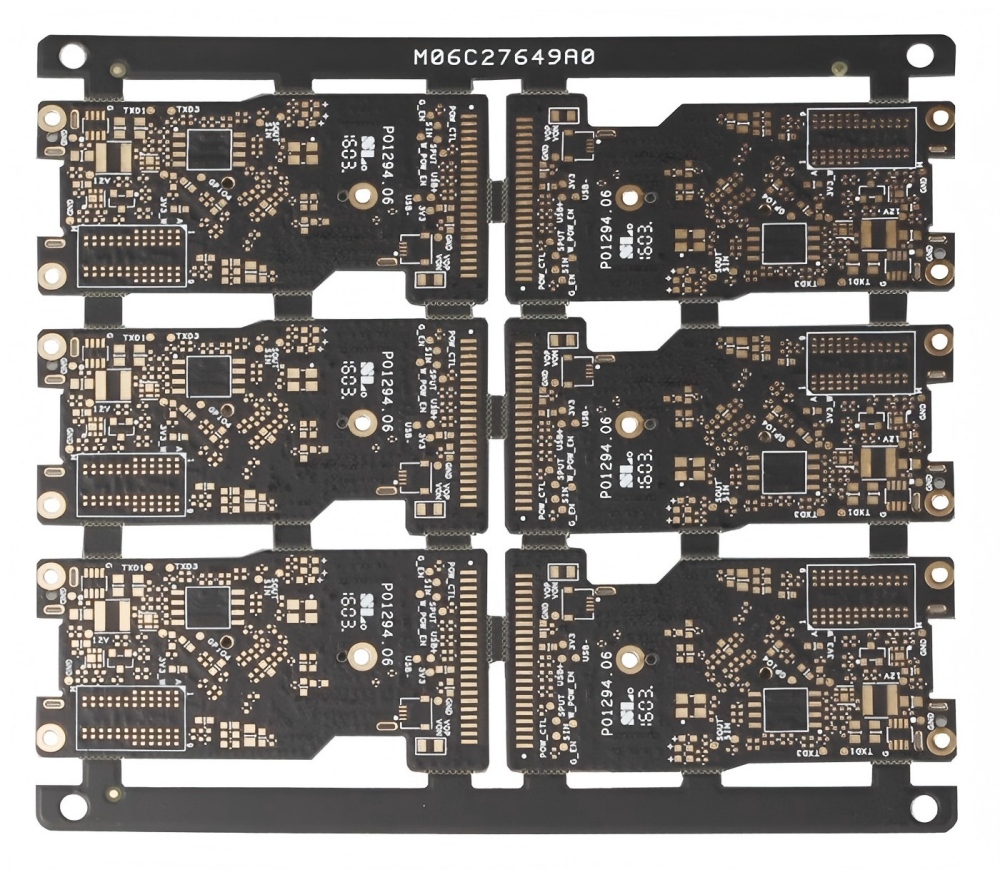
Drone PCBs serve as the intelligent backbone of modern aerial vehicles, underpinning all functionalities and control logic. From recreational flight to industrial applications and automated AI navigation, every advancement relies on the evolution of PCBs. Future PCBs—more efficient, slimmer, and smarter—will continue driving innovation across the drone industry.