A Trustworthy PCB and Electronic Manufacturing Enterprise! Contact Us


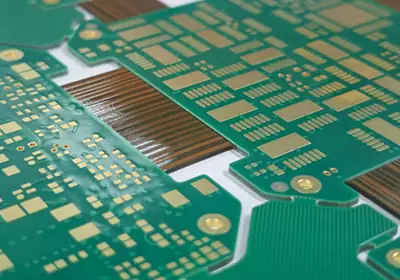
PCB soldering involves using heat and solder to attach components to a printed circuit board (PCB). Proper tools, clean techniques, and safety precautions ensure strong, reliable connections while avoiding common issues like cold joints or solder bridges.
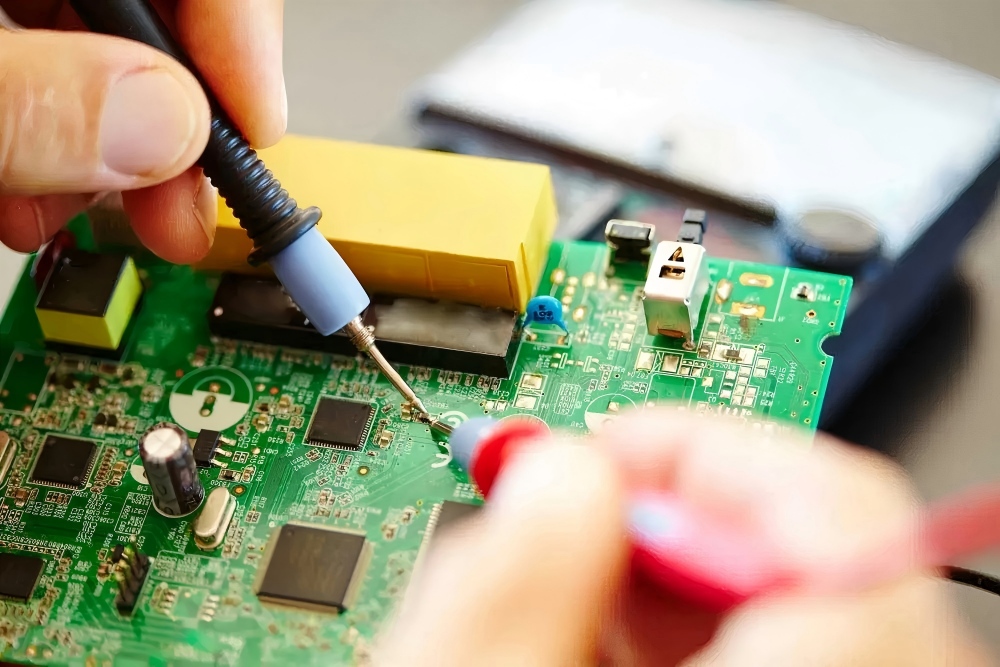
What is PCB soldering?
PCB soldering, commonly referred to as tin soldering, is the process of mechanically and electrically connecting two metal surfaces on a printed circuit board using solder. Simply put, it uses a metal called solder to mechanically and electrically connect two metal surfaces.
Solder secures the connection, ensuring components won't loosen due to vibration or other mechanical forces. It also provides electrical continuity, allowing electronic signals to pass uninterrupted through the joint. A soldering iron melts the solder, while flux cleans and prepares the surfaces so the molten solder can flow and bond with the metal surfaces.
PCB Soldering Types:
1. Manual Soldering
Manual soldering is the most fundamental and versatile PCB soldering method. It involves manually soldering individual components onto the PCB using a soldering iron.
Advantages:
a. Flexibility: Suitable for a wide range of components, from miniature resistors to larger connectors.
b. Low Cost: Requires minimal equipment, making it accessible for hobbyists and small-scale fabrication.
c. Precision: Ideal for intricate or complex work requiring individual attention.
Disadvantages:
a. Time-Consuming: Inefficient for mass production due to its manual nature.
b. Skill Dependent: Requires practice and a steady hand to achieve consistent, high-quality results.
2. Wave Soldering
Wave soldering is an automated process primarily used for through-hole components in high-volume production. It involves passing the PCB through a wave of molten solder generated by a wave soldering machine.
Advantages:
a. Efficiency: Capable of soldering all components on a circuit board simultaneously, significantly boosting production speed.
b. Consistency is Key: Ensures uniform soldering quality across all joints, minimizing defects.
c. Scalability: Ideal for large-scale manufacturing where time and consistency are critical.
Disadvantages:
a. Initial Investment Cost: Requires investment in wave soldering machines and setup.
b. Limited to Through-Hole Components: Not suitable for Surface Mount Technology (SMT) components without additional equipment.
c. Process Control: Demands precise parameter control to guarantee high-quality outcomes.
3. Reflow Soldering
Primarily used for Surface Mount Technology (SMT) components, this process involves applying solder paste to PCB pads, placing components, then heating the assembly in a reflow oven to melt the solder.
Advantages:
a. Suitable for complex designs: Ideal for high-density PCBs with small, precision components.
b. Automated process: Enables rapid production with minimal manual intervention.
c. Quality control: Provides excellent control over the soldering environment, enhancing solder joint quality.
Disadvantages:
a. Equipment cost: Requires specialized equipment such as reflow ovens and precise temperature profiles.
b. Component sensitivity: Components must withstand the high temperatures of the reflow process.
c. Process complexity: Requires careful setup and monitoring to prevent defects like solder bridges or tombstoning.
PCB Soldering Tools and Materials:
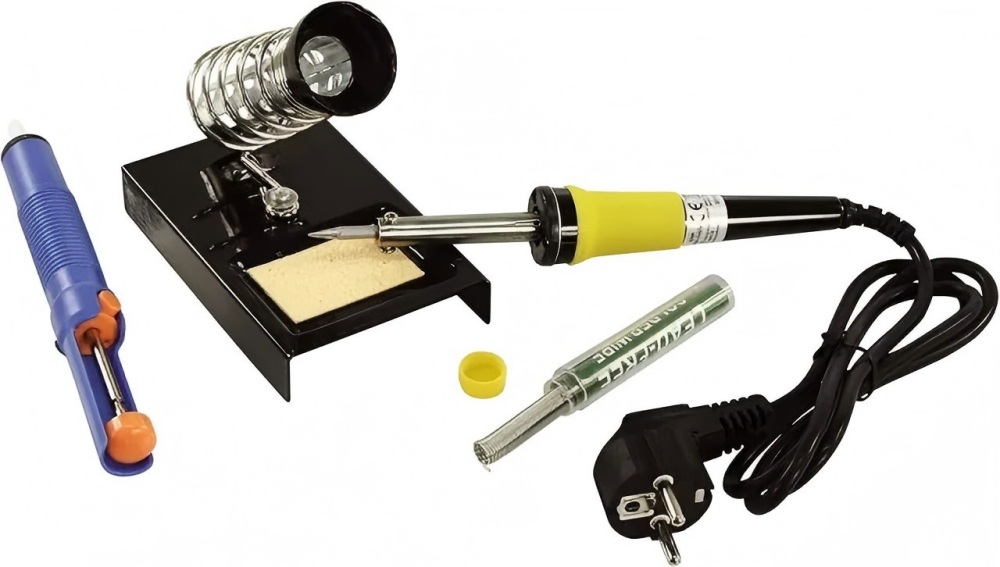
1. Soldering Iron: Select soldering tips of appropriate size and shape to match solder joints and component dimensions. “The most critical factor when choosing a soldering tip is the amount of thermal connection between the solder joint and the iron.”
2. Solder: Typically an alloy of tin and lead, such as 60/40 (60% tin and 40% lead).
3. Flux: Used to remove oxides and prepare surfaces. “Flux removes oxides from surfaces to be soldered and prevents new oxide formation during the soldering process.”
4. Wave Soldering Machine: Essential for automated wave soldering processes in mass production.
5. Desoldering Tools: Used to remove excess solder or correct errors.
6. Protective Gear: Safety glasses and gloves protect against high temperatures and solder splatter.
PCB Soldering Techniques:
1. Tinning the tip: “Tin the soldering iron tip before soldering. Tinning is the process of coating the metal surface with a thin layer of solder.” This aids heat transfer and extends the tip's lifespan.
2. Maintain clean surfaces: Only begin soldering on clean, undamaged surfaces. Clean surfaces improve solderability and prevent oxidation during soldering.
3. Use the correct soldering tip: Selecting the proper size and shape ensures efficient heat transfer. “If the tip is too small, the solder joint will take significantly longer than ideal to heat up.”
4. Proper technique: Simultaneously heat the pad and component lead before applying solder. This ensures smooth solder flow and a strong connection.
5. Avoid excessive pressure: Apply only enough pressure to hold the soldering iron in place. Excessive pressure may damage PCB pads or traces.
6. Inspect and clean: After soldering, remove all flux residue to prevent PCB performance degradation. “After soldering, all flux residue must be removed to prevent PCB performance degradation.”
7. Practice safe soldering: Always wear protective gear and work in a well-ventilated area to avoid fume inhalation.
Conclusion
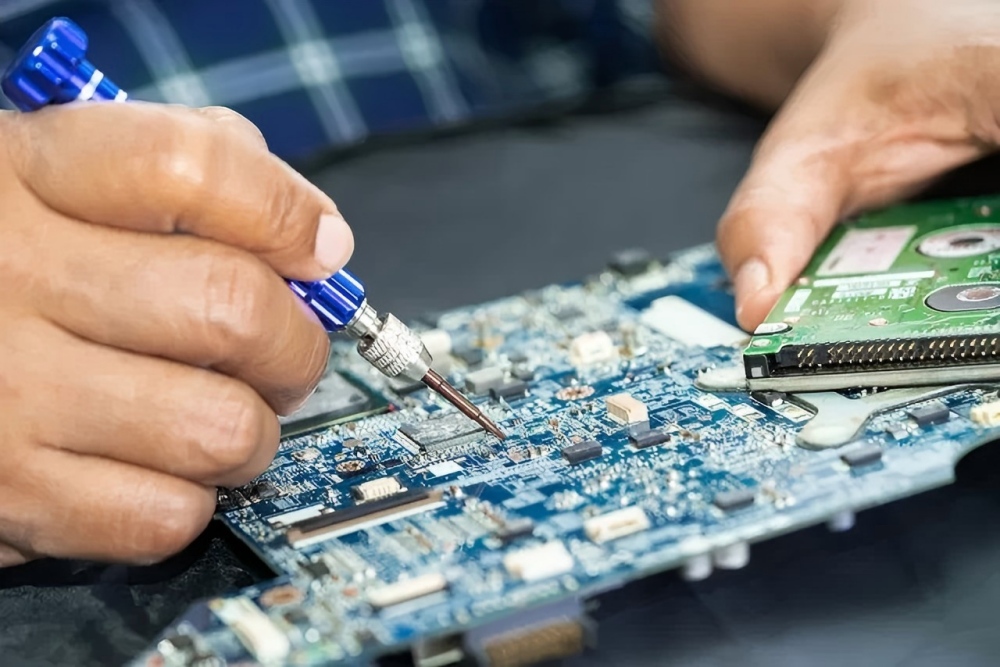
PCB soldering is a critical skill in electronics. Doing it well makes your projects more reliable and durable. With the right tools, some practice, and careful attention to each step, you can create sturdy, clean solder joints. Take your time, keep learning, and you'll improve with every board.